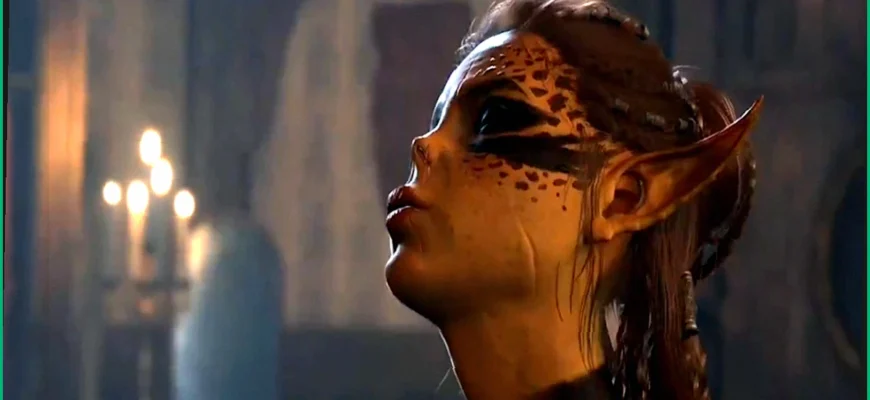
A writer for the critically acclaimed role-playing game Baldur’s Gate 3 has shed light on the design philosophy behind its reputation system. Often likened to the intricate relationship mechanics found in Dragon Age, this system serves a crucial purpose: to prevent players from inadvertently “breaking” the game’s richly developed non-player characters (NPCs).
The primary intent is to maintain the integrity and unique personalities of companions and other characters, ensuring they don’t become easily exploitable or predictable in their affections. It’s a protective measure, designed to preserve the depth of their writing and reactions throughout the expansive narrative.
However, when it comes to navigating the intimate complexities of romance, this robust system introduces an element of delightful unpredictability. The writer notes that progressing a romantic storyline can, at certain junctures, feel akin to a “dice roll.” This deliberate design choice aims to ensure that romantic relationships within the game feel organic, natural, and genuinely earned, rather than a straightforward accumulation of approval points. It mirrors the real-world uncertainties and nuanced interactions involved in building affection, making each successful romantic step feel more significant.
While players engage with these deeply woven character arcs, the occasional charming quirks of the game’s presentation, such as the memorable visual bug where the formidable githyanki warrior Lae’zel might passionately embrace thin air, serve as a testament to the game’s ambitious scope and its beloved, sometimes wonderfully quirky, inhabitants.