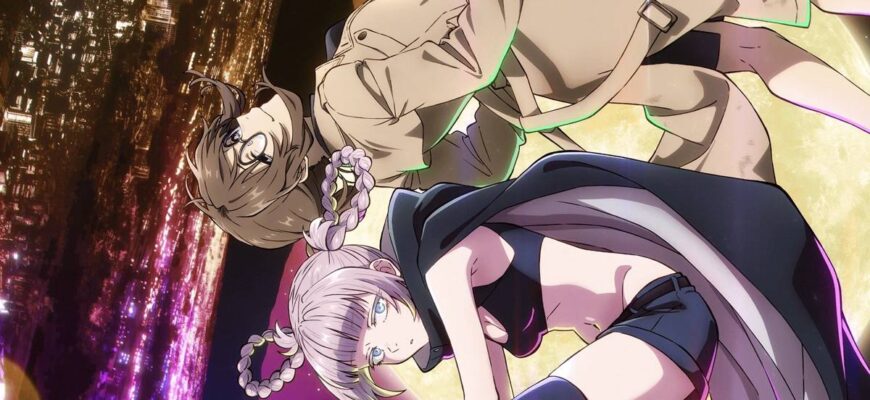
There`s an undeniable allure to the night, a quiet freedom that calls to those who wander while the world sleeps. If the first season of the anime Call of the Night (or Yofukashi no Uta) left you longing for moonlit strolls and candid conversations under starry skies, then the return of this romantic series has likely been met with eager anticipation. Three years after its debut, the continuation of this charming narrative, featuring an eccentric vampire and a schoolboy determined to fall for her, has finally arrived. Let`s revisit what made the first season so captivating and delve into what the new season promises.
A Departure from Typical Vampire Tropes
The landscape of vampire narratives is often crowded with tales of brooding immortals and their naive human counterparts, entangled in dramatic affairs and peril. Yet, Call of the Night consciously pivots away from these familiar clichés. Here, we encounter Ko Yamori, an insomniac high schooler who finds solace in nightly excursions. His world shifts when he encounters Nazuna Nanakusa, a charismatic vampire. Far from being terrified, Ko discovers Nazuna`s true nature and, in an unexpected twist, expresses a desire to become a vampire himself.
The catch? It’s not simply a matter of a bite. To transform into a creature of the night, Ko must genuinely fall in love with Nazuna. This unique condition sets the stage for a romantic pursuit that is anything but straightforward. Nights unfold as Ko offers his blood to Nazuna, yet the elusive spark of true love remains just out of reach, presenting a curious challenge: can love be willed into existence, or must it simply… happen?
Season 2: New Paths Under the Moonlight
The first season of Call of the Night adapted approximately 46 chapters of the original shonen manga, which concluded its 20-volume run last year. Season two picks up from chapter 47, yet it immediately distinguishes itself from its source material. While the manga might see Nazuna visiting another vampire, Hatsuka, early on, the anime takes a different approach. Instead, Nazuna is seen enjoying video games with Ko, only to be playfully interrupted by a group of curious vampires.
These deviations, though minor in isolation, signal a potentially altered pacing and focus. For instance, the manga introduces Ko`s childhood friend Mahiru and his vampire companion Kiku later in the narrative, but the anime repositions this arc into its second episode. Conversely, the first episode of the second season propels Ko and Nazuna through nocturnal Tokyo, exploring a closed zoo, events that occur in later manga chapters. While these narrative leaps might surprise manga readers, for an anime-only viewer, the flow feels natural, maintaining the series` signature blend of introspective conversations, new locales, and a distinct visual style that immerses viewers in its atmospheric night world.
The Search for Understanding: Love and Loneliness
The core of Call of the Night lies in its exploration of self-discovery, understanding one`s desires, and the pervasive nature of loneliness. For Ko and Nazuna, nocturnal wanderings become more than just a pastime; they are a crucible for newfound freedom and a chance to forge a deep connection, even if one half of the duo possesses fangs.
Ko`s journey in the second season continues to grapple with the abstract concept of love. Despite his ardent desire to fall for Nazuna, he struggles to comprehend the mechanics of romantic affection. One might suggest that overthinking the process of “falling in love” is counterproductive, yet the ticking clock—a mere ten months remain until Ko`s deadline for transformation, or face the consequences from other vampires—adds a pressing urgency to his emotional quest. It`s an ironic dilemma: a forced pursuit of natural feelings.
Nazuna, on the other hand, presents a different kind of paradox. Her feelings for Ko become increasingly evident with each passing night, yet articulating them seems beyond her capabilities. She`s a master of flirtatious banter and suggestive quips, but the moment genuine romantic discussion arises, she blushes and retreats. This charming contradiction—a vampire who is overtly playful yet deeply shy about her true affections—is a significant part of her allure. Her actions, even if she doesn`t explicitly admit them, speak volumes about her burgeoning feelings.
The Sounds of the Night: Creepy Nuts Returns
A distinctive element of Call of the Night is its exceptional soundtrack, notably the contributions from the Japanese hip-hop duo Creepy Nuts. Their songs, like “Daten” (opening) and “Yofukashi no Uta” (ending) from the first season, perfectly encapsulated the series` mood of freedom and nocturnal serenity. Fans might also recognize their work from other popular anime such as Mashle: Magic and Muscles (with “Bling-Bang-Bang-Born”) and Dandadan (with “Otonoke”).
The second season continues this auditory excellence, with Creepy Nuts once again lending their talents. The new opening theme, “Mirage,” and the rhythmic ending theme, “Nemure,” both continue to enrich the series` atmospheric qualities, delighting fans of both the anime and the musical duo.
Final Impressions: An Engaging Journey
The initial episodes of Call of the Night Season 2 have garnered positive early reception, indicative of its continued ability to captivate audiences. Ko`s immersion into this nocturnal existence deepens as he encounters new vampires and truly begins to taste the profound freedom of living outside conventional daylight hours. The season has just begun, and if its initial offerings are any indication, viewers are in for another compelling and extravagant journey into the heart of the night, a story of connection, self-discovery, and perhaps, eventually, love.