Giants, Minnows, and the Sliding Doors of Segunda: Real Zaragoza Eyes the Exit
Relegation to Spain's third tier, once considered a catastrophic endpoint, has undergone a significant transformation. Historically, prominent Spanish clubs dreaded such a demotion, viewing it as an inescapable purgatory leading to obscurity. Yet, today's landscape is markedly different. The successful implementation of the new Primera RFEF model has redefined this challenge. Strikingly, three clubs that were competing in the third division just a few seasons ago are now contending for promotion to La Liga. This shift suggests that even for a club like Real Zaragoza, whose fans may fear the worst, potential relegation might not carry the same dire consequences it once did.
Racing Santander's journey into the inaugural La Liga season is a lesser-known tale. The Royal Spanish Football Federation (RFEF), driven by Real Madrid, initiated the league but initially had only nine clubs – former finalists of what would become the Copa del Rey. With one spot remaining, instead of a direct selection, a play-off was arranged among burgeoning regional teams lacking national recognition. Racing emerged victorious, securing their spot and even challenging for the league title a few seasons later. Over time, Cantabria's leading club experienced fluctuating fortunes, occasionally returning to the top flight. Their popularity surged again towards the turn of the century, spearheaded by local talent Pedro Munitis, and later by the formidable striking duo of Munitis and Serbian powerhouse Nikola Zigic – a classic "big man, little man" pairing.
The rise of promising youth academy product Sergio Canales offered further hope, but Racing was by then under foreign ownership and soon relegated to the third division. By 2022, despite brief, unsuccessful promotions, they remained in the lower tiers, their glory days seemingly a distant memory. Yet, remarkably, they are now mounting a strong challenge for a return to La Liga after more than a decade away. Racing's revival is not an isolated incident; other footballing giants are also stirring from their long slumber.
Deportivo La Coruña stands as the sole Spanish league champion currently competing in the second tier. Even more striking, they languished in the third division for much of the last decade, only returning to Segunda a few seasons ago. The era of "Super Depor" ended abruptly with their 2013 bankruptcy. However, renewed faith in their excellent youth system and the brief homecoming of local hero Lucas Perez have re-energized the club's bond with its fanbase to levels not seen in twenty years. Riazor now boasts larger crowds than during their peak, and Deportivo currently sits second behind Racing, eyeing a potential revival of the Galicia Derby against Celta Vigo.
Málaga, another former top-flight club that came within minutes of reaching a Champions League semi-final in 2013, similarly succumbed to mismanagement. They plummeted into the third division a decade ago and faced near-dissolution. Yet, through strategic player acquisitions and the steadfast loyalty of a grassroots fanbase that deepened during their struggles, the club has revitalized. Now positioned in the play-off spots, Málaga's La Rosaleda stadium—far from the tranquil "rose garden" its name implies—is widely considered a formidable challenge for any team aspiring to reach La Liga next season.
However, perhaps the most compelling story of resurgence belongs to Castellón. A club with no top-tier presence since the early 1990s, and historically the region's dominant force before Villarreal's financial backing, Castellón found itself burdened by debt. Its fortunes changed when Canadian poker player Haralabos Voulgaris acquired the club. Voulgaris, having previously applied a "Moneyball" philosophy successfully in the NBA, transformed Castellón into his new footballing laboratory.
Voulgaris orchestrated the "Alvinegros'" return to the second division in 2024, achieving this feat with flair in just his second full season. Despite an initial stumble this season, leading to the controversial dismissal of promotion-winning coach Dick Schreuder, Voulgaris's gamble paid off. Castellón is now battling for a play-off position, currently holding fifth place. The prospect of a Castellón-Villarreal derby next season, pitting two clubs just miles apart, underscores a fresh approach to football club management in Spain.
Among the current top six teams in the Liga Hypermotion table, four have competed in the third tier within the last five seasons. Only Almería (partially owned by Cristiano Ronaldo) and Las Palmas boast recent top-flight experience. This highlights not only the Liga Hypermotion's fierce competitiveness but also confirms that relegation to Primera RFEF is no longer a terminal fate. Financial constraints often force clubs to restructure, reduce debt, prioritize youth academies, and foster stronger community engagement. Many of these historically large clubs, upon falling to the third division, witnessed even greater fan turnout than in La Liga or Segunda, driven by a deep-seated local passion.
Iconic clubs like Real Murcia and Hércules are also familiar with this trajectory, their presence in the third tier certainly not due to a lack of fan backing. Tenerife, recently relegated, has seen record attendance figures this season as they strive for an immediate return to Segunda. While relegation remains unwelcome, it increasingly serves as a catalyst for renewal. Certain sporting projects, it seems, genuinely benefit from a tactical retreat to gain momentum for future advancement.
The experience of Deportivo offers a template for Real Zaragoza supporters. Although Zaragoza has never won La Liga, it holds an esteemed position in Spanish football culture. This legacy stems not only from their two European trophies, six Copa del Rey titles, or the vibrant atmosphere of La Romareda, but also from their unique story as a club from Spain's less populated interior that consistently challenged the nation's elite. Zaragoza, much like its city, has always been something of an anomaly—a bridge between Madrid and Barcelona, embodying qualities of both.
Nevertheless, Zaragoza's missteps over the past fifteen years mirror those of other clubs that have risen and fallen over the last three decades. After years of teetering on the brink, this former UEFA Cup regular now faces likely relegation, currently sitting 20th and four points adrift of safety. With La Romareda undergoing a major rebuild for the 2030 World Cup, this moment of demotion could, paradoxically, be the catalyst Real Zaragoza needs to rediscover its former stature. While their apprehension is understandable, the resurgence of Deportivo, Racing, Castellón, and Málaga offers compelling evidence that a club can indeed bounce back stronger, aiming for football's highest accolades.
Next season, it's highly probable that a club recently in the third division will return to La Liga. Simultaneously, Real Zaragoza faces the very real possibility of relegation to the third tier for the first time since 1949. These contrasting scenarios encapsulate the intricate nature of Spanish football, a realm where giants can fall to minnows and rise again with strategic foresight. It's a landscape of ambition and struggle, reminiscent of Quixotic quests, both on and off the field.
Fresh materials — Football

Mikel Oyarzabal: Real Sociedad Owes a Lot to Pellegrino Matarazzo
Real Sociedad captain Mikel Oyarzabal has expressed the squad's deep gratitude towards manager Pellegrino Matarazzo, crediting him with guiding the Txuri-Urdin back to the Copa del Rey final after a six-year absence. Oyarzabal is one of the few players who were part of the victorious 2021 squa

Real Sociedad Manager Pellegrino Matarazzo Discusses Copa del Rey Final and Team Readiness
Real Sociedad manager Pellegrino Matarazzo conveyed a confident outlook ahead of his team's Copa del Rey final clash against Atletico Madrid on Saturday. La Real are aiming to secure the trophy for the second time in five years, having last won it in 2021. The team has been a notable performer
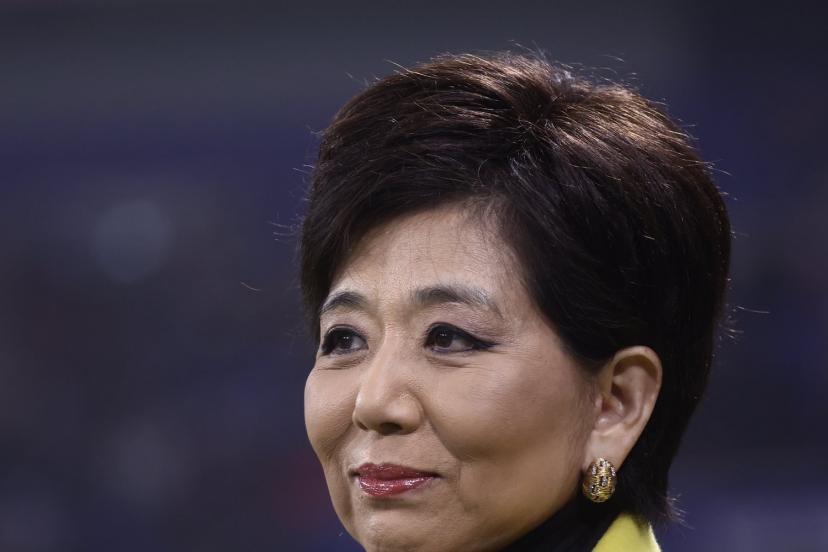
Copa del Rey Final: Atletico Madrid vs. Real Sociedad - Predicted Lineups
The Copa del Rey final is set to take place at 21:00 CEST in Seville's La Cartuja stadium, featuring a clash between Atletico Madrid and Real Sociedad. Both teams are eager to secure silverware, marking their first major trophy in five years. Los Colchoneros are making their return to the Copa
Barcelona Statistics Give Atletico Madrid the Edge in Champions League Decider
Despite optimism from Barcelona's Lamine Yamal and manager Hansi Flick about a potential comeback against Atletico Madrid in the Champions League quarter-finals on Tuesday night at the Metropolitano, current season statistics suggest a more formidable challenge than initially perceived. The
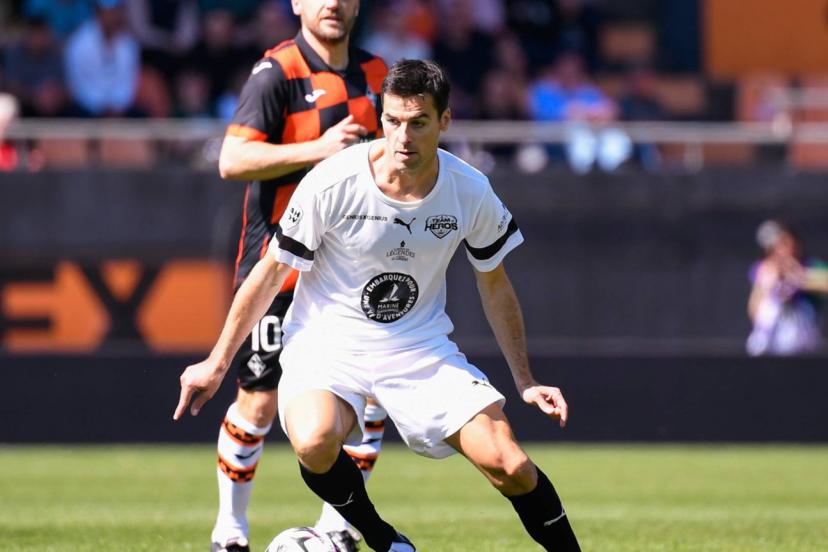
Andoni Iraola to Depart Bournemouth, Athletic Club Among Potential Destinations
Andoni Iraola, the former manager of Rayo Vallecano, is reportedly set to leave his position at Bournemouth at the end of the current season. The Basque manager has emerged as a prominent candidate to fill the anticipated managerial vacancy at his former club, Athletic Club, following Ernesto
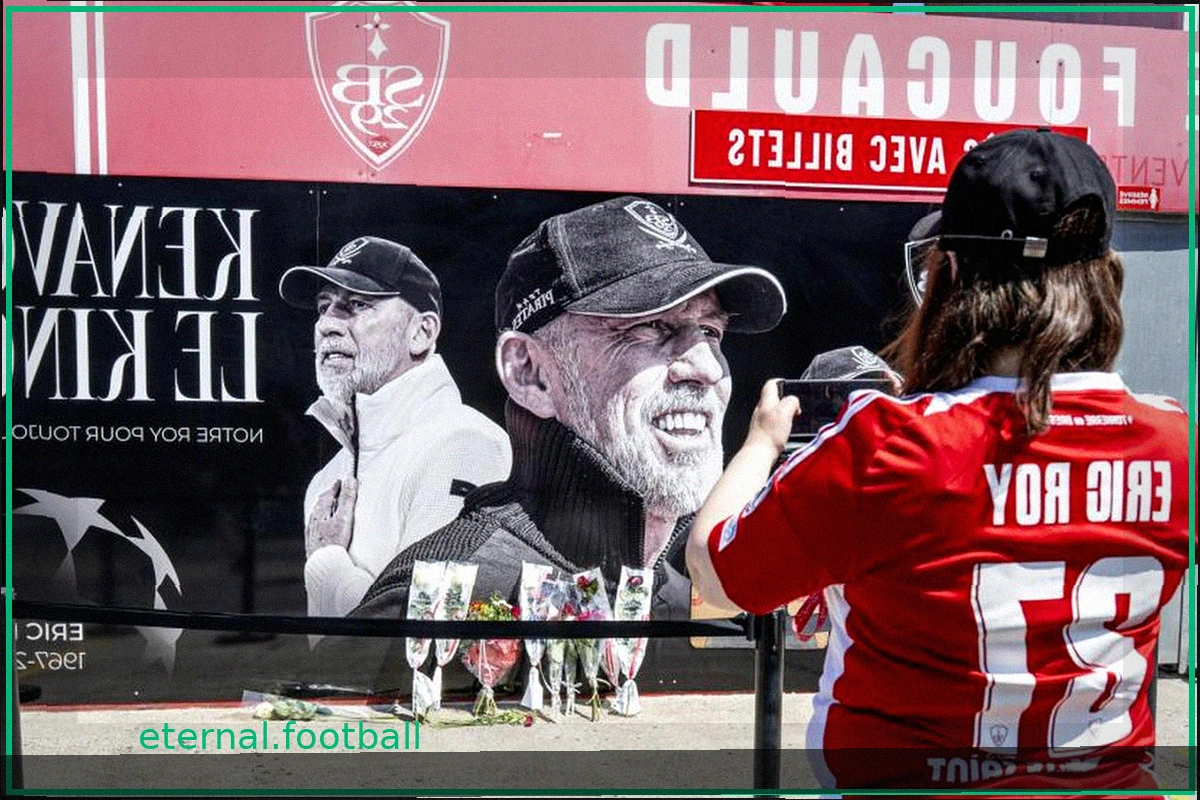
Barcelona Legal Team Reviews UEFA Decision Amidst Atletico President's Dismissal of Pitch Concerns
Barcelona's acting president, Rafael Yuste, confirmed that the club's legal department is analyzing UEFA's decision to dismiss their complaint concerning a controversial non-penalty call during the first leg of their Champions League quarter-final against Atletico Madrid. The Catalan club had l