Micron, a prominent memory manufacturer, is projecting a groundbreaking shift in the demand for RAM, anticipating that future driverless cars and advanced humanoid robots will soon require an astounding 300 GB of memory per device. This colossal requirement is set to dwarf the current memory consumption of even high-end personal computers and sophisticated large language model (LLM) systems, highlighting a new era of computing demands.
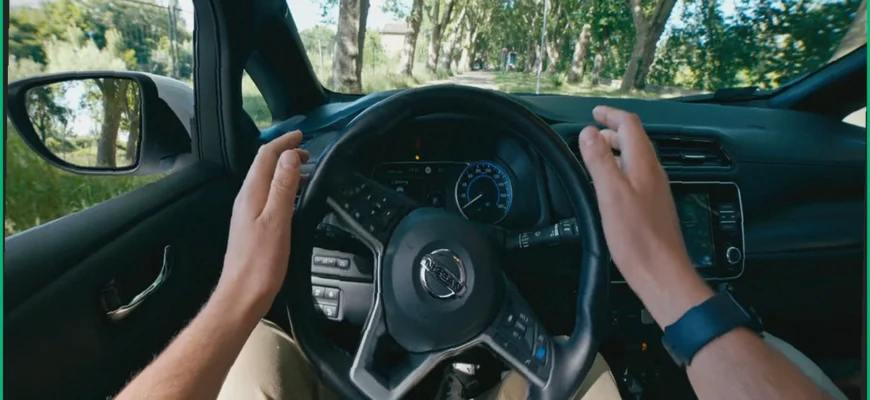
This substantial forecast underscores the intensive real-time processing needs of truly autonomous systems. Take, for instance, a driverless vehicle: it must continuously ingest and process vast streams of data from an array of sensors—including cameras, lidar, radar, and ultrasonic—to construct and maintain an intricate, up-to-the-second 3D environmental map. The vehicle’s onboard AI must then identify objects, predict their movements, formulate safe navigation paths, and execute precise maneuvers, all within milliseconds. This complex interplay of data processing and immediate decision-making is vividly illustrated by the seamless and exact action of a steering wheel turning autonomously, from a driver’s perspective, without any direct human input.
Similarly, humanoid robots, designed to navigate dynamic environments, interact with physical objects, and comprehend human instructions, will demand extensive memory resources. This memory will be critical for sophisticated motor control, advanced perception systems, natural language processing capabilities, and intricate machine learning models. Their ability to adapt, learn, and perform complex tasks autonomously is inherently tied to rapid data access and high-volume processing capacity.
Micron’s bold projection signals a paradigm shift where edge AI devices, operating in real-world scenarios with critical implications, will become the primary catalysts for innovation in advanced memory technology. This burgeoning demand is expected to accelerate advancements in RAM design and manufacturing, bringing immense computing power and vast memory closer to the point of action, thereby paving the way for an unprecedented era of intelligent autonomy.