The gaming world often buzzes with news of groundbreaking innovations, but occasionally, it’s the quiet legal maneuvers that send the most significant ripples. Such is the case with Nintendo’s recent patent approval in the United States for a creature-summoning mechanic—a move that has left many in the industry pondering the implications.
A Closer Look at the Mechanic Under Scrutiny
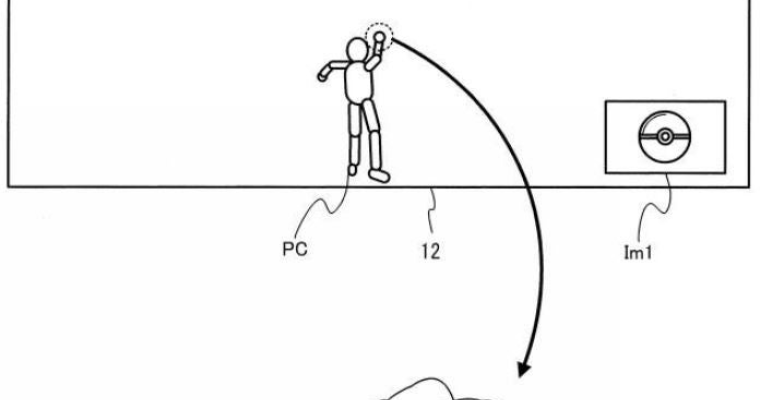
Filed in March 2023 and quietly granted approval on September 3, 2025, this patent describes a gameplay feature allowing a player to invoke or “summon” an auxiliary character or creature. This summoned entity then assists the player in combat, and crucially, does not immediately vanish once an immediate threat is neutralized. Instead, it persists, awaiting further targets or specific conditions for its dismissal.
On the surface, this description might sound strikingly familiar to anyone who has delved into the vast landscape of modern video games. Indeed, the concept is far from novel. Consider the relentless skeletal legions of a Necromancer in the Diablo series, the steadfast companions in World of Warcraft, or the ethereal Spirit Ashes offering aid in the treacherous lands of Elden Ring. Even the humble Pokémon, at its core, involves the summoning of creatures to battle. It`s a foundational element, almost a trope, woven into the fabric of countless RPGs and action games across various platforms and eras.
The Elephant in the Room: The Palworld Connection
For many industry observers, the timing and nature of this patent immediately raise a single, colossal question: Is this a direct strategic response to the ongoing legal skirmishes between Nintendo and Pocketpair, the creators of the hugely popular Palworld?
For those unfamiliar, Palworld launched to immense success, quickly gaining a reputation as “Pokémon with guns”—a cheeky, yet effective, shorthand for its blend of creature collection, crafting, and combat. Nintendo, known for its fierce protection of its intellectual property, has taken a keen interest, to put it mildly, in Palworld`s similarities to its beloved Pokémon franchise. The legal battle has already seen Pocketpair make adjustments to Palworld`s gameplay mechanics, seemingly to distance itself from accusations of copyright infringement.
However, reports suggest Nintendo itself has faced its own set of challenges in these legal proceedings. This new patent, along with a reported shift in how Nintendo is formulating and registering its intellectual property, appears to be a calculated effort to fortify its legal arsenal. By patenting seemingly generic mechanics, Nintendo might be attempting to establish a broader legal net, making it harder for future titles to skirt perceived infringements—a robust defense strategy, if a somewhat aggressive one, in the ongoing IP wars.
Broader Implications for Game Development
The ramifications of such a patent extend far beyond the immediate Palworld controversy. When a mechanic as pervasive as creature summoning becomes patented, it opens a Pandora`s Box of questions for the entire game development community:
- Innovation vs. Restriction: Could this stifle creativity, forcing developers to invent increasingly convoluted workarounds for fundamental gameplay concepts? Or will it merely encourage more genuinely unique implementations, inadvertently pushing the boundaries of design?
- Legal Precedent: What precedent does this set for other common mechanics? Will we see patents for “jumping” or “interacting with objects”? (A thought that, perhaps, elicits a wry chuckle from seasoned developers contemplating the absurdity.)
- Definition of “Mechanic”: How broadly or narrowly will such patents be interpreted by courts? The devil, as always, is in the specific language of the patent claims and their judicial interpretation.
- Independent Development: Will small, independent developers, often working with limited budgets, be forced to conduct exhaustive patent searches for every feature, or risk legal challenges from industry giants, potentially creating a chilling effect on indie innovation?
Nintendo`s move highlights a growing tension in the gaming industry: the delicate balance between protecting legitimate innovation and preventing the monopolization of core gameplay elements. While companies have every right to protect their intellectual property, the patenting of fundamental, widely adopted mechanics raises legitimate concerns about the future landscape of game design and the accessibility of basic creative tools.
A Future of Fenced-Off Mechanics?
It remains to be seen how this patent will be wielded and what impact it will truly have. Will Nintendo pursue aggressive enforcement against every game featuring a persistent summoned companion, or will it be reserved for specific, high-profile cases like Palworld? Only time, and perhaps more courtroom drama, will tell. The legal landscape of interactive entertainment is continuously evolving, and this patent represents a significant data point in that progression.
For now, developers might do well to meticulously document their creative processes, ensuring that their innovations, however small, are demonstrably independent. The digital wild west of game development appears to be growing increasingly litigious, and in this new era, even the act of calling for aid might require prior legal clearance—a humorous, if slightly concerning, thought for anyone simply trying to make a fun game.