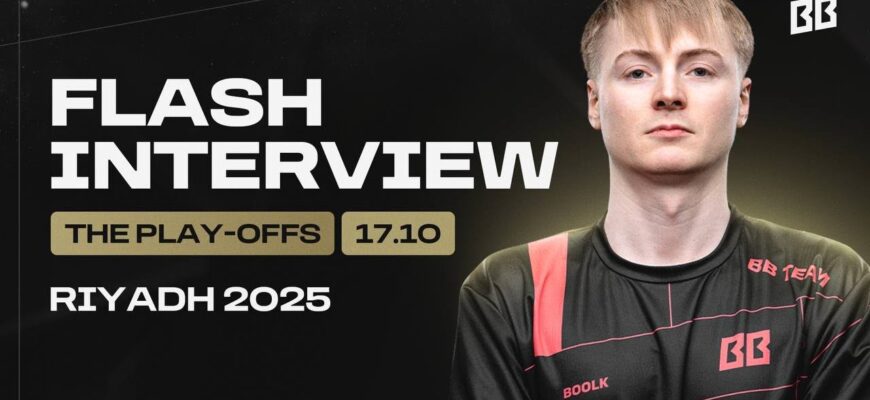
The lights have dimmed on BetBoom Team`s journey at the Riyadh Masters 2025, following a quarter-final defeat to Tundra Esports. In the wake of their 1:2 series loss, coach Anatoly “Boolk” Ivanov offered a candid post-mortem, dissecting the moments that led to their elimination and revealing the subtle yet significant factors at play in high-stakes professional Dota 2.
The First Map`s Unraveling: More Than Just Missed Plays
The opening game against Tundra Esports proved to be a critical misstep, not just in terms of execution, but in its profound psychological impact. Boolk pinpointed specific issues:
- Map Control Deficiency: A general sense of being “lost on the map,” indicating a lack of positional awareness and coordinated movement.
- Broodmother Inexperience: The team`s struggles with the Broodmother hero pick suggested a lack of comfort or preparedness for specific meta counters.
- The Roshan Catastrophe: The pivotal moment arrived with a contested Roshan fight, where the opposing team successfully stole the Aegis. According to Boolk, this single event shattered the team`s composure, leading them to “stop playing Dota.” It`s a stark reminder that in esports, as in traditional sports, momentum and mental fortitude are as crucial as raw skill.
This admission underscores a fundamental truth: a single, impactful blunder can cascade into a complete breakdown, turning a competitive match into an exhibition of frustration rather than skill.
Strategic Shifts: A Dance of Counter-Initiation
The conversation between games revealed a deeper understanding within the team regarding their errors. Boolk noted that the post-game discussion was less about assigning blame and more about adapting their draft strategy for the second map, focusing on hero picks and bans. Intriguingly, Boolk touched upon BetBoom Team`s historical tendency to falter after winning the first game in a series—a recurring pattern that suggests an underlying issue with maintaining focus or adapting to opponent adjustments.
One tactical detail that emerged from the first map was the lane swap. Both Tundra and BetBoom Team engaged in this positional chess match. Boolk explained that BetBoom`s decision to counter-swap was a calculated move to “avoid accepting conditions the opponent wanted,” aiming to preserve their initial draft`s lane expectations. This highlights the intricate cat-and-mouse game that occurs even before the first creep wave clashes in high-level Dota 2.
The Week-Long Pause: A Double-Edged Sword?
Perhaps the most thought-provoking revelation from Boolk concerned the week-long break between the group stage and playoffs. Such extended pauses are inherent to many large tournaments, designed to allow teams to regroup, strategize, and sometimes, recuperate. However, Boolk suggested this particular break worked against BetBoom Team.
While some teams might use this time to elevate their performance, Boolk posited that for BetBoom, it could have led to a loss of form. More critically, he noted that a lengthy intermission grants opponents ample time to analyze your entire hero pool and playstyle, developing robust countermeasures. This forces teams like BetBoom to innovate their drafting strategies rapidly, lest their predictable patterns become their undoing. Boolk`s slightly wry comment, “knowing the specifics of the people in the team, — yes,” when asked if the break was detrimental, offers a glimpse into the unique psychological and strategic challenges faced by his roster.
The “Crazy Things”: A Defining Trait?
BetBoom Team has cultivated a reputation for audacious, often high-risk plays—including the infamous “fountain dives” and other aggressive maneuvers. When pressed on whether this predisposition is an advantage or a drawback, Boolk offered a concise, almost philosophical, response: “As you can see, we have been eliminated from the tournament for the third year in a row due to quite insane things, so draw your own conclusions.”
This statement encapsulates the core dilemma of a signature playstyle. While aggression can yield spectacular victories and unsettle opponents, it also carries inherent risks that can lead to catastrophic losses. For BetBoom Team, this high-wire act has consistently led to early tournament exits, suggesting that while their “insane things” might be exciting, they may also be strategically unsustainable against the world`s elite who can punish any overextension with surgical precision.
Looking Ahead: The Inevitable Cycle of Professional Esports
BetBoom Team`s 5th-8th place finish at Riyadh Masters 2025, securing $125,000, marks another chapter in their competitive journey. Boolk`s reflections provide a rare, unvarnished look into the internal mechanics of a top-tier esports team grappling with defeat. It`s a narrative of tactical miscalculations, the mental toll of high-pressure environments, and the constant, often unforgiving, need for adaptation.
For BetBoom Team, the conclusion of Riyadh Masters is not an end, but a crucial learning opportunity. The challenge now lies in internalizing Boolk`s insights, addressing the identified weaknesses, and refining their approach to ensure that their next major tournament outing sees them not just entertaining with “crazy things,” but consistently converting their undeniable talent into championship titles.