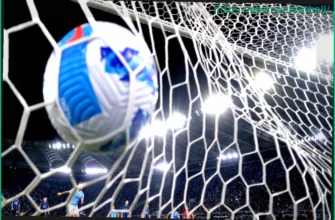
The recent Champions League Round of 16 delivered an extraordinary number of goals, with a total of 68 finding the back of the net. This translates to an impressive average of 4.25 goals per game, a figure that not only stands out as unusually high but also represents a stark reversal from the lower scoring trends observed over the preceding four seasons. This significant increase immediately sparks debate about a potential shift towards more attacking football across Europe.
Various theories attempt to explain this phenomenon. Some point to clear disparities in team strength leading to more lopsided contests. Others suggest that Premier League clubs, in particular, may be struggling with defensive solidity against sophisticated open-play attacks, rather than merely set-pieces. However, the data suggests this isn’t solely an English problem.
Historically, prior to the 2008-09 season, it was rare for the Champions League knockout phase to average more than three goals per game. Following this, between 2008-09 and 2019-20, the average rarely dipped below this three-goal mark. Yet, a subsequent period saw averages decline significantly, failing to rise above 2.72 goals per game for four consecutive campaigns, even reaching a low of 2.34 in 2022-23. The trend began to rebound last season, hitting 3.29 goals per game (including the playoff round).
This season’s playoff round further underscored the high-scoring trend, recording 3.94 goals per game, notably without any Premier League teams involved. This broader context indicates that the recent goal-scoring surge extends beyond specific league issues, hinting at a potentially wider tactical or performance shift in European club football.