The lower reaches of France’s Ligue 1 are currently defined by high anxiety and strained financial calculations. As FC Nantes battles to keep its head above the dreaded relegation waters—with rivals like Metz applying relentless pressure—the management has initiated a frantic search for immediate, high-impact reinforcements.
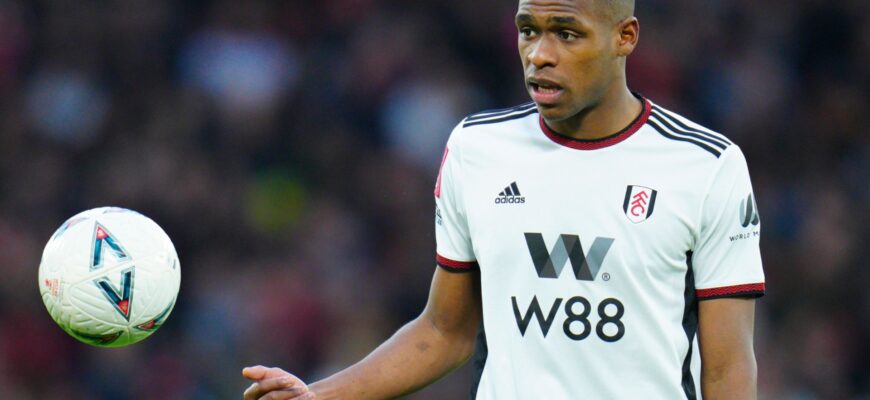
The priority is clear: stabilize a fragile defense. The logical target identified was Issa Diop, the 28-year-old Franco-Moroccan center-back. For both player and club, this transfer initially appeared to be a perfect alignment of desperation and opportunity, a rare instance where the needs of the sporting director and the aspirations of the athlete perfectly intersect.
The Ideal Candidate in Exile
Diop is a familiar figure in French football, possessing the top-flight experience Nantes desperately needs. His current predicament, however, is a classic example of modern football stagnation. Despite a substantial transfer to Fulham in the Premier League, Diop has found himself surplus to requirements, tallying a meager four league appearances this season. For a player entering his peak physical years, bench-warming is a form of career atrophy.
A return to France promised a catalyst—a chance to instantly inject robustness into Nantes` back line and, simultaneously, grant Diop the necessary minutes to reignite his professional trajectory. The synergy was undeniable: Nantes required a proven defender; Diop required a proving ground.
The Unbridgeable Financial Chasm
In the transfer market, however, logic often bends to the immutable law of financial valuation. While the sporting utility of Diop to Nantes is high, the cost associated with extricating him from his London contract has created an insurmountable obstacle. The initial, intense interest from the `Canaries` has, predictably, evaporated under the harsh light of the balance sheet.
The financials involved are staggering for a club currently preoccupied with survival rather than continental qualification. Diop’s current situation is dictated by two non-negotiable figures:
- **Market Valuation:** Fulham assesses the transfer fee at approximately €10 million.
- **Contractual Obligation:** Diop’s current contract runs until 2027 and commands an annual salary exceeding €4 million.
To acquire Diop, Nantes would not only need to afford a significant transfer fee but also absorb a monumental wage structure—a scenario financially toxic for a club fighting relegation. This dynamic reveals a crucial, often ironic element of the modern transfer window: a player`s valuation is often divorced from his current contribution on the pitch.
A player who is currently benched and seeking game time should theoretically be obtainable at a discount. Yet, due to long-term contracts signed during periods of high valuation, the financial risk remains fixed, regardless of the sporting necessity.
When Valuation Trumps Urgency
Nantes’ battle for Ligue 1 survival requires immediate, calculated risk-taking. However, the financial calculus dictates that acquiring Diop would represent not merely a risk, but a potentially fatal commitment. Spending upwards of €14 million (initial fee plus a year`s wages) on a single player, particularly while relegation threatens to drastically cut future revenue, is a decision few fiscally responsible boards can endorse.
The narrative is clear: Diop remains in England, a frustrated talent awaiting playing time, while Nantes continues its defensive struggle, actively searching for a cheaper, albeit potentially less proven, alternative. The transfer market has once again demonstrated its ruthlessness, proving that even in the face of sporting desperation, the cold reality of market dynamics ultimately dictates who gets the lifeline and who remains stranded.