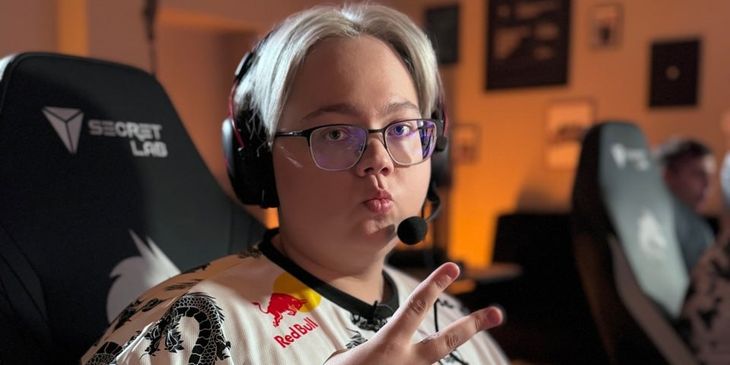
In the high-stakes world of competitive Counter-Strike 2, where split-second decisions and mental fortitude define champions, the role of support staff has grown immensely. Among them, sports psychologists are increasingly vital, tasked with honing players` minds for peak performance. However, a recent statement from Cloud9`s Boris “magixx” Vorobyov has cast a spotlight on the delicate balance between professional guidance and personal autonomy, igniting a discussion that resonates far beyond the digital battlefield.
The catalyst for this discussion came when magixx publicly criticized Lars Robl, the psychologist for Team Falcons` CS2 roster. Vorobyov`s claims detail what he perceives as overreaching control. Specifically, he alleged that Robl forbade Ilya “m0NESY” Osipov, a prominent talent, from engaging in late-night matches on FACEIT, a popular competitive platform. Furthermore, Maxim “kyousuke” Lukin was reportedly prohibited from smoking or vaping – directives that touch upon both professional habits and personal lifestyle choices.
On the surface, such directives might seem well-intentioned. Professional esports demands immense discipline. Long hours, intense pressure, and the constant need for optimal performance mean that player health, both physical and mental, is paramount. Psychologists are brought in to mitigate burnout, enhance focus, improve team cohesion, and build resilience. Restricting late-night gaming could be a measure to ensure adequate sleep and prevent fatigue, directly impacting in-game performance. Similarly, discouraging smoking aligns with general health best practices, which could contribute to a player`s long-term career.
However, the very nature of these interventions, as highlighted by magixx, raises a critical question: where does professional guidance end and personal infringement begin? Esports players, while operating under immense scrutiny and pressure, are still individuals. Their passions, habits, and personal routines, even those deemed less than ideal, are often integral to their identity and even their comfort. magixx`s sardonic follow-up regarding a potential new player, “HeavyGod,” quipping whether he too would be forbidden from eating, underlines the perceived absurdity and potential overreach of such strict oversight. It`s a humorous, yet pointed, jab at the idea of excessive micromanagement.
For professional players, who often dedicate their formative years to mastering a game, the line between their personal life and their career can become exceedingly blurred. Their craft is their passion, and for many, late-night solo queue sessions are not just practice but also a source of enjoyment and a way to unwind. Balancing the team`s investment and desire for results with a player`s individual freedom and mental well-being is a complex tightrope walk. A rigid, prohibitive approach, if not clearly communicated and understood, risks fostering resentment and stifling the very autonomy and passion that drive these elite competitors.
This incident, while specific, reflects a broader, evolving narrative within esports. As the industry professionalizes, so too do the support structures around players. The aim is always to create an optimal environment for success, but defining “optimal” can be subjective. It requires open dialogue, mutual respect, and a nuanced understanding of player psychology beyond mere performance metrics. The best support empowers individuals, rather than simply dictating their actions.
Ultimately, the case presented by magixx is a microcosm of the ongoing discussion surrounding player welfare in professional esports. It underscores the critical need for teams to foster environments where performance optimization and mental health support go hand-in-hand with respecting individual agency. Trust, communication, and a tailored approach, rather than universal prohibitions, might just be the winning formula for both psychologists and the players they aim to uplift.