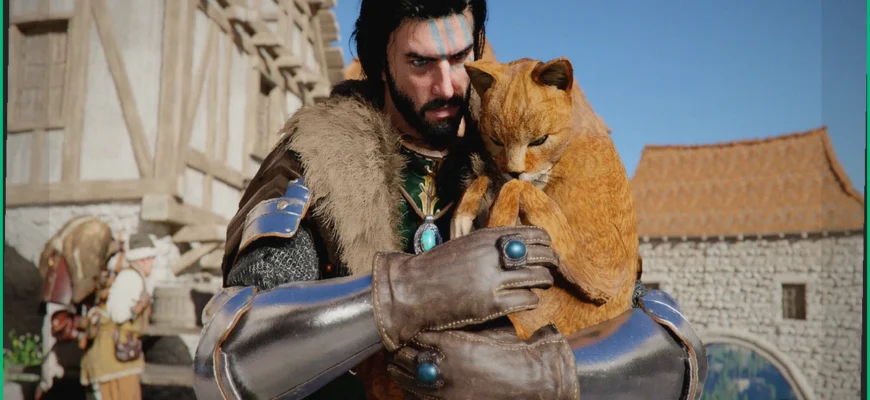
As a lover of unique and intricate RPGs, I’m pleased to see the Steam consensus for Crimson Desert improving. Despite Pearl Abyss’s confusing insistence otherwise, it undeniably plays like an RPG.
Upon its launch last week, Crimson Desert received a mix of positive and negative reviews on Steam. While players appreciated its impressive scope, many were put off by its clunky controls and unconventional design choices. Consequently, initial user reviews settled at a “Mixed” rating.
Nonetheless, players were drawn to the game—unsurprising for 2026’s first major open-world release. Within 24 hours, Pearl Abyss proudly announced 2 million sales. The development team, however, didn’t rest on its laurels and committed to making improvements.
Days later, a patch was released, introducing much-needed camp storage and toning down some challenging bosses. Pearl Abyss also acknowledged player feedback regarding the controls, promising further refinements in a subsequent update.
Reviews gradually shifted towards a more positive trend. The game quickly progressed from “Mixed” to “Mostly Positive,” and then to an impressive “Very Positive” rating, based on over 25,000 reviews. Sales also continued their upward trajectory, with Pearl Abyss announcing yesterday that Crimson Desert had surpassed the 3 million copies sold milestone.
Pearl Abyss’s prompt adjustments have certainly contributed to this positive shift. However, I suspect the growing appreciation for the game might have occurred anyway, albeit at a slower pace. Deep and unconventional games often struggle with initial impressions, appealing primarily to niche audiences (like myself). It’s plausible that many players who truly connected with the game spent the weekend exploring Pywel before sharing their impressions on Steam.
Naturally, this doesn’t invalidate the numerous criticisms the game has faced. Just this morning, my colleagues and I were lamenting Crimson Desert’s perplexing quest design in our PC Gamer Slack. The character Kliff often seems to know exactly where to go and whom to speak to without any clear contextual cues, leaving players to meticulously wander the world following an invisible, obscure path.
It’s undeniably peculiar. Yet, I clearly find joy in being bewildered.