Arteta Masters the Narrative: Playing the Victim in His Own Game
A gentleman is never rude unintentionally, only by design. This sentiment could easily be a line from the Elite Football Manager’s Guide to Press Conferences (Premier League edition). In these settings, nothing happens by accident. Every word spoken before a sponsor-laden backdrop is measured and deliberate. A manager isn't angry, concerned, or even charming by mistake. The match is the game, but so are all the events surrounding it.
It was difficult not to reflect on this while listening to Mikel Arteta discuss the penalty awarded to Sunderland at the Stadium of Light for what appeared to be a grappling incident involving Ezri Konsa and Dan Ballard. This is stated with genuine professional respect. As anyone who has ever hosted a podcast knows – and that's practically everyone – there are moments when you need to amplify your energy and adopt a mode of sincere conviction. Arteta did this masterfully, appearing genuinely moved by his own words, projecting wounded integrity like a disappointed schoolmaster pleading for the return of the minibus keys.
Let's be clear, though. Arteta isn't "very worried," "sad," or even "really sad" about all this. He's not solely concerned with "protecting the game" as a mere fan of football. This is a manager known for meticulously planning even the smallest advantages. Elite sport today thrives on such details. There are anecdotes of rowing coaches installing fiberglass toilet seats, calculating the time athletes spend there as crucial for glute management. Arteta embraces this level of detail. It's highly probable Ben White has a state-of-the-art comfort seat at the training ground.
His public statements follow a similar pattern, all meticulously gamed and contingency-planned. This is driven by hard, rational, tactical reasons, reflecting how the sport is managed now. So, what does it signify?
There are three certainties. Firstly, Arteta was correct. The refereeing decision was poor, factually wrong. Ballard skillfully pulled Konsa down on top of him, feigning surprise at the contact. The error was compounded by the referee's response, which seemed influenced by early-season directives for more interventionist officiating. Such vague mandates can skew judgment.
Secondly, referees are not biased; they are simply not very good. Two factors contribute to this. The sheer volume of information referees must process in real-time during a game is overwhelming. Most referees lack backgrounds in high-pressure data processing; they aren't military pilots or currency traders. Fewer than a quarter hold academic degrees. The task exceeds their capabilities, a simple observation supported by evidence.
This is further complicated by referees' confusion about their role. They are not showmen or curators of the spectacle, nor do they dictate the sport's aesthetic. Referees should operate at the periphery of the event, not as local officials deciding on neighborhood character. They are consistently getting football wrong, not just decisions, but the very essence of the game.
However, Arteta was prepared for this. Arsenal's coaching staff likely anticipated such an event. His press conference response was ready. Arteta may have even rehearsed his portrayal of sadness, his key phrases. This is the appropriate approach. None of this breaks rules, just as Arsenal are not a dirty team or cheats. They play within the presented framework of the sport, a game increasingly governed by minute analysis of physical contact rules.
Arteta's Arsenal have excelled at exploiting these nuances. Defenders are now adept with the ball at their feet but may not be selected for their ability to withstand physical challenges. It's logical to leverage this and protect that advantage through public commentary on rule application. This explains Arteta's success.
It's also true that this has fostered a peculiar atmosphere. The general sentiment among Arsenal fans is noteworthy. While football fans represent all walks of life, the loudest online voices, and even the stadium atmosphere, exude an absolute conviction of victimhood and conspiracy, a galvanizing sense of adversity. Few other grounds witness such fervent and articulate disputes over every refereeing call, even ambiguous ones. Some supporters appear perpetually on their feet, engaged in performative, weaponized indignation, their entire interaction with the game rooted in aggrieved injustice.
This attitude makes sense, aligning with the game we've created: aggrieved, middle-aged pedantry over rules. This has become the new crucible of animosity.
Is this grounded in reality? Perhaps not by the raw numbers. Arsenal have been awarded more fouls than any other team this season. Last season, only six teams had more fouls against them, and the same the year before. They received the fewest yellow cards last season and no red cards since 2024-25. Nevertheless, certain incidents continue to cause resentment. The wrongly denied penalty claim for Bruno Guimarães at Aston Villa stands out. The VAR miscalculation against Brentford in 2023, if indeed a deliberate attempt at cheating, was remarkably inept.
There's dissatisfaction with how certain rules appear to be applied more strictly to Arsenal, including minor issues like delaying restarts. However, if the game is intentionally played on the margins, more incidents are bound to occur in those areas.
Arteta has also expertly played the role of a distant rage conjurer, transitioning from infrequent comments on referees to becoming a heartfelt and targeted critic. The Sunderland penalty incident provided an ideal opportunity to address the refereeing backlash against Arsenal's tactics, deploy his pre-prepared defense, and highlight a demonstrably true point: referees have lost control as the game has outpaced them.
In many respects, this was a perfect scenario for Arteta. Not only was it a decision that ultimately didn't affect the outcome due to the penalty save, but it was also clearly incorrect. This offered a chance to lobby the authorities while being undeniably in the right.
Expect more of this as the season progresses, with Arsenal seeking to maintain the advantages they've established in close-quarters tactical play. Combined with his masterful press conference performance, Saturday marked a significant victory on multiple fronts.
Fresh materials — Premier League News
Manchester City Whistleblower Rui Pinto Leaves Portugal Amid Safety Fears
Rui Pinto, the founder of Football Leaks, is preparing to leave Portugal. He has been informed that his participation in the country’s witness protection program has ended, and he fears for his safety. Pinto claims he has received multiple death threats and faces a serious ris
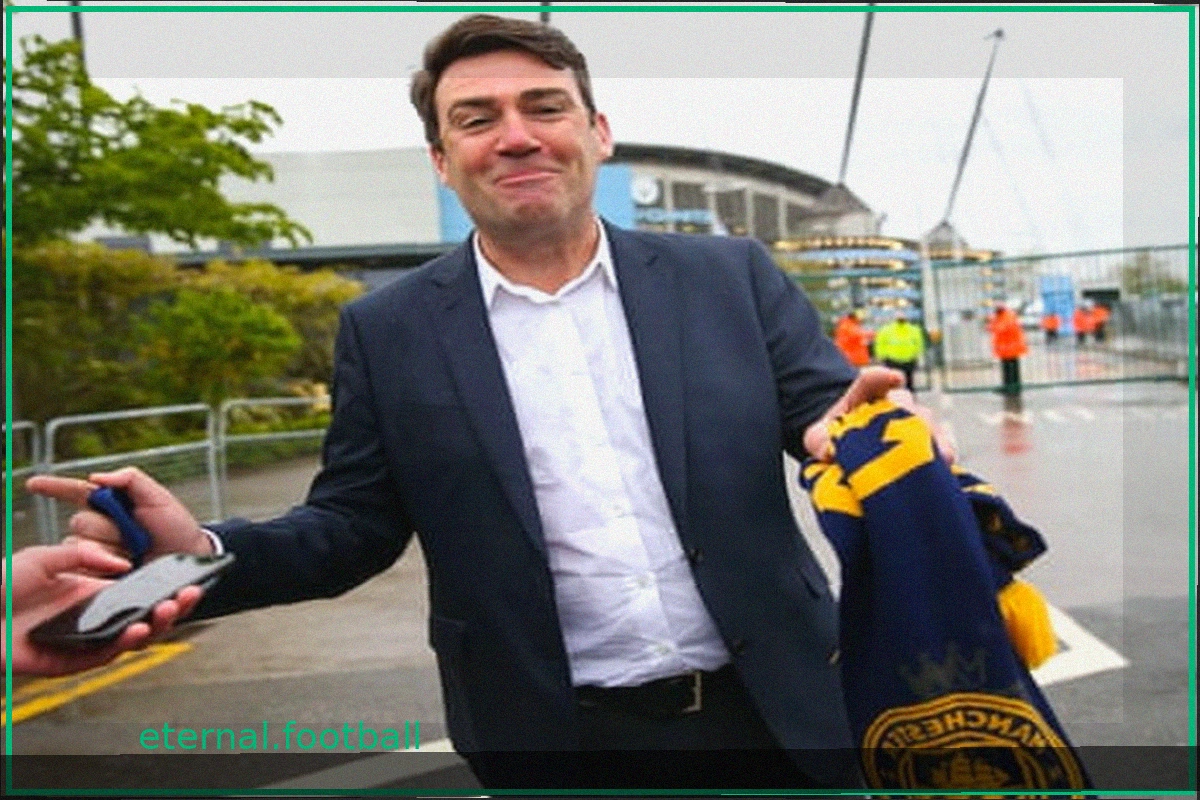
Manchester City's Success Bolstered Andy Burnham's Rise
In July 2016, Yaya Touré, a Manchester City player, walked into a small bar near Beijing’s Workers’ Stadium. Chinese fans swarmed him, captivated. Manchester City had just secured its sixth trophy under Sheikh Mansour's Abu Dhabi United Group, turning the club into international stars and attr

Manchester City CEO Soriano dismisses Premier League charges as conspiracy
Ferran Soriano, the chief executive of Manchester City, stated that the guilty verdicts against the club for financial rule violations stem from "a single false accusation" and a "Premier League conspiracy theory," asserting the club's innocence. An independent panel confirmed
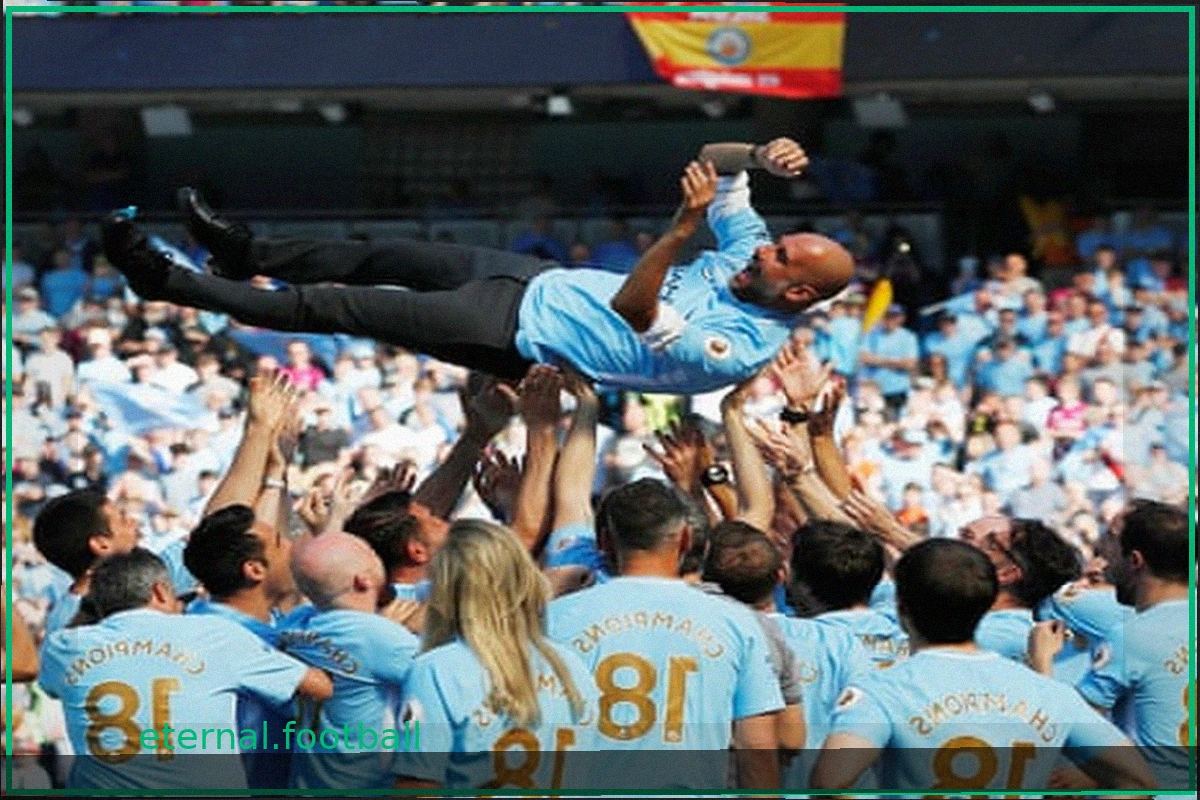
Manchester City's Performance and Managers During Alleged Financial Rule Breach Period
An independent commission determined that Manchester City violated Premier League financial rules by employing fabricated contracts to boost revenue and cut expenses by over £900m across nine years. The club maintains its innocence regarding these allegations. This summary covers their perf
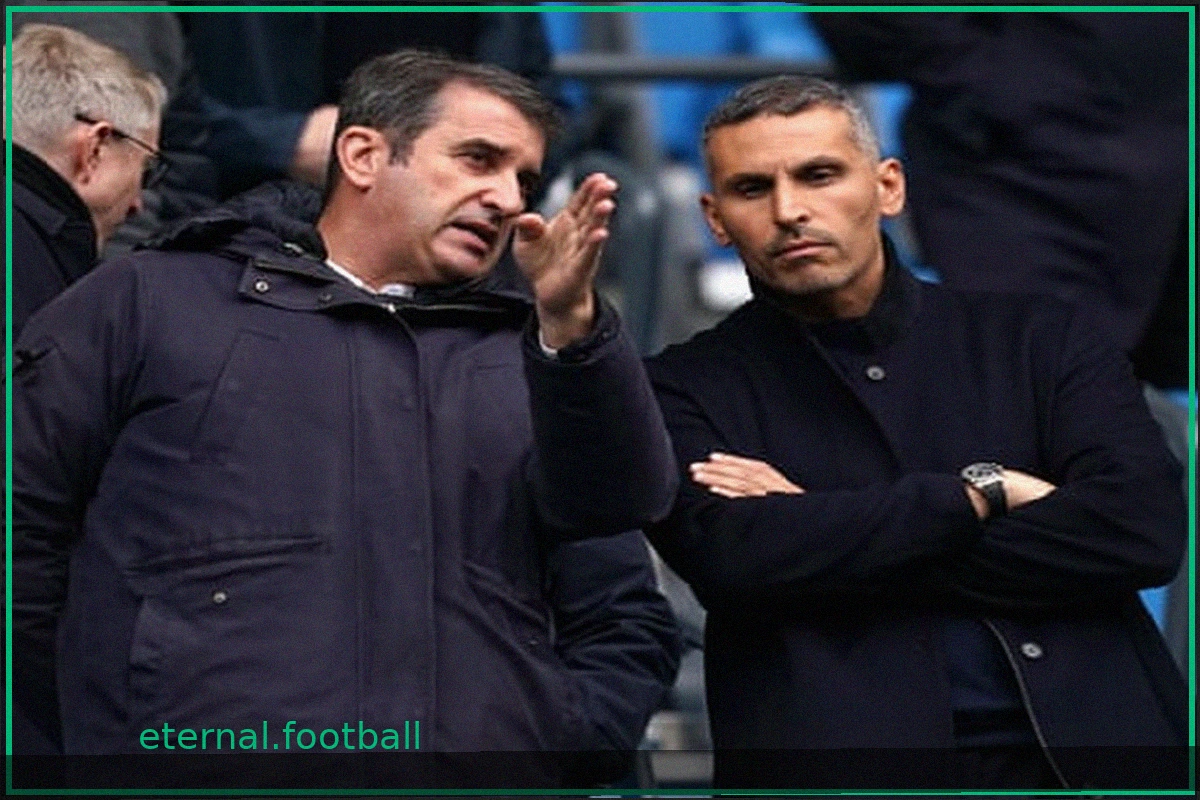
City Chief Affirms Club's Innocence Amidst Rival Push for Verdict Publication
Several Premier League clubs are pressing for the Manchester City verdict to be released promptly. The club, meanwhile, is preparing for an extended legal fight to clear its name. Manchester City's chief executive, Ferran Soriano, informed the European Football Clubs board on Monday that t
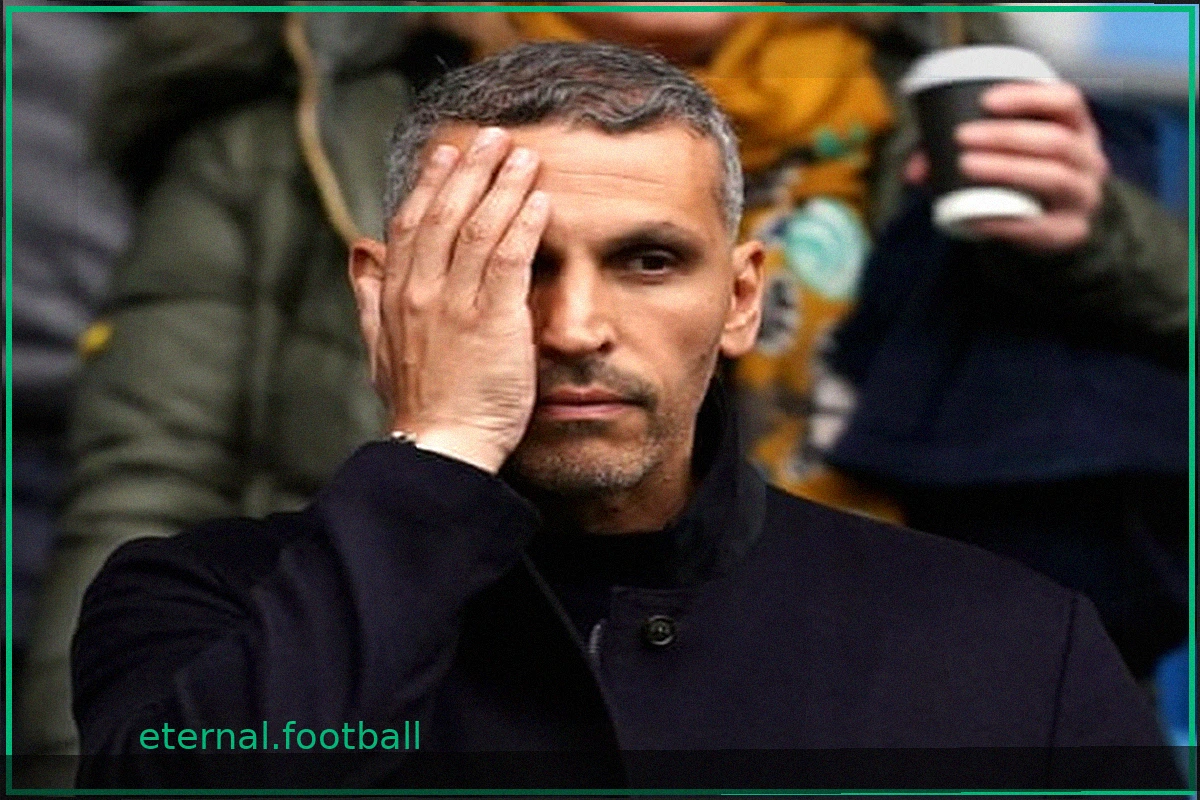
Manchester City Chair: "Nothing Has Changed" After Verdict
Khaldoon al-Mubarak, chairman of Manchester City, has stated that "nothing has changed" and their "confidence and intent in proving the club’s innocence is just as strong as when this began," following the club's guilty verdict on most of the 115 Premier League financial rule breach charges. Th