Slay the Spire 2 has swiftly become one of the most prominent gaming hits of the year, captivating a broad audience with its innovative mechanics and deep strategic gameplay. This remarkable and widespread acclaim serves as a timely and potent reminder of the game’s pivotal decision to abandon the Unity engine.
The move to depart from Unity occurred in the wake of the highly controversial runtime fee policy changes, a debacle that sent ripples of uncertainty and frustration throughout the game development community. This policy shift prompted numerous studios to reconsider their reliance on the platform, leading many to seek alternative engine solutions.
The game’s current triumphant reception stands as a stark illustration of the consequences that Unity faced during that period. Many within the industry view Slay the Spire 2’s success as a powerful testament to the severity of Unity’s misstep, echoing sentiments that articulate just how badly the situation was handled. The ability of developers to pivot and achieve such significant success on other platforms underscores the substantial repercussions when major engine providers enact unpopular or detrimental policies.
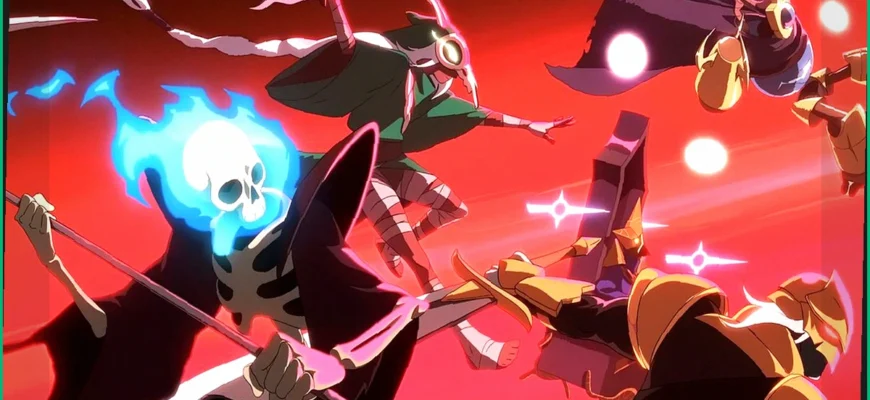
Beyond the technical and business implications, the game itself is a masterclass in player engagement. Imagine the dynamic playable characters, mid-leap in an attack, set against a striking red background – a visual metaphor for the intense and engaging experience it consistently offers players, irrespective of the underlying engine.